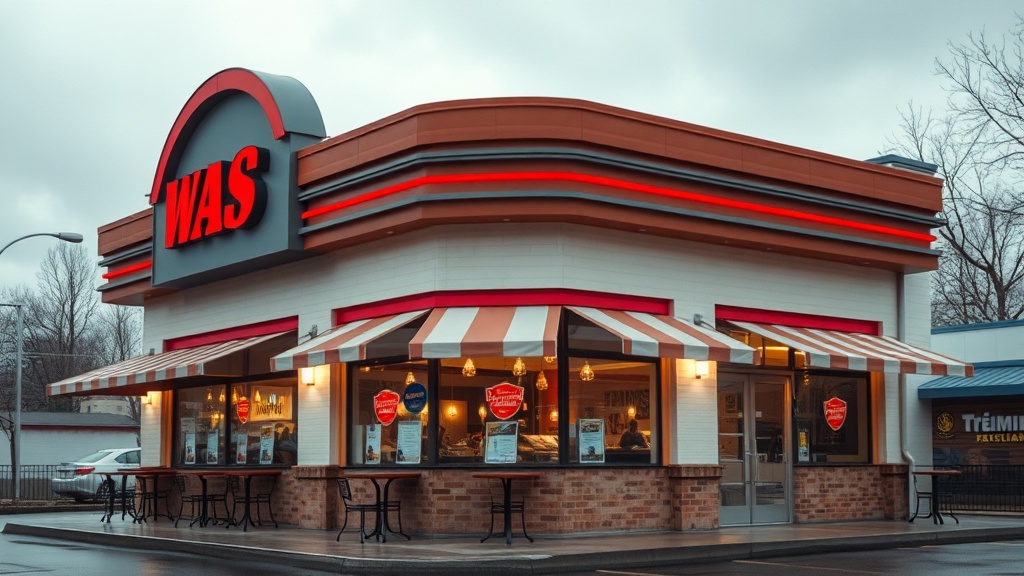
The Decline Of Chain Restaurants: What’s Happening?
The Decline of Chain Restaurants: Understanding the Shift in Consumer Preferences
The landscape of dining in America is changing, and anyone who eats out has noticed it. Chain restaurants, once the symbols of American culinary culture, are now witnessing a decline that seems to have accelerated in recent years. Understanding this shift in consumer preferences offers insights into what people want nowadays when they dine out or order in.
One of the biggest factors contributing to the decline of chain restaurants is the growing desire for authentic and unique dining experiences. Consumers increasingly seek meals that tell a story, often preferring local or regional establishments over large conglomerates. This shift reflects a broader cultural movement towards supporting local businesses and valuing unique flavors over standardized menus. People want to feel a connection with their food, which is often lacking in chain restaurants.
Another important aspect driving this change is health consciousness. More consumers are becoming aware of the nutritional aspects of their meals. They are looking for fresh ingredients, organic options, and meals with fewer additives. Many chain restaurants have struggled to adapt their menus to meet these growing demands, as their offerings often revolve around quick-service convenience. Consequently, customers are more inclined to seek out restaurants that focus on wholesome, home-cooked flavors.
The impact of technology cannot be overlooked in this discussion. With the rise of food delivery apps and services, consumers have more options than ever. They can easily find local eateries that cater to their preferences, whether it’s gluten-free, vegan, or paleo. This shift towards convenience has empowered diners to explore a wider variety of cuisines. No longer limited to the cheeseburgers and pasta dishes of chain menus, they can discover exciting new flavors from the comfort of their homes.
Moreover, the experience of dining out has evolved. Consumers now value the overall ambiance and vibe of a restaurant. A chains environment can sometimes feel impersonal and uniform, creating an atmosphere that does not encourage lingering. In contrast, independent restaurants often focus on creating unique experiences that extend beyond just the meal. From local art on the walls to live music, these elements foster a sense of community, which is appealing to today’s diners.
A notable trend is the growth of pop-up restaurants and food trucks. These dining concepts have gained popularity due to their flexibility and creativity. Diners love trying out new flavors presented in an innovative setting. They often prefer these trends over conventional chain fare. Additionally, pop-up establishments allow chefs to experiment without the long-term commitment of permanent locations, leading to an ever-evolving food scene that captures the interest of adventurous eaters.
- Unique Experiences: Diners now prefer places that offer distinct atmospheres and memorable interactions.
- Health Focus: Growing health awareness pushes consumers to choose fresher ingredients over processed foods.
- Advance in Technology: The accessibility of food delivery apps introduces more dining options to consumers.
- Innovative Concepts: Pop-ups and food trucks attract those looking for novel and creative culinary experiences.
Furthermore, economic factors have played a role in shaping preferences. While chain restaurants often market themselves as budget-friendly, many independent options offer competitive pricing without sacrificing quality. Consumers are more willing to pay for authenticity, even if it means spending a little extra. As the cost of living rises, customers are making more discerning choices about where they spend their money, preferring eateries that deliver value in terms of both quality and experience.
the COVID-19 pandemic has altered dining habits significantly. Many have become accustomed to takeout and delivery, often turning to local favorites rather than chains. As restrictions eased, diners continued to favor small establishments that offer personalized service and safer environments. This change has accelerated the decline in chain restaurants as they struggle to reclaim the market share they once held.
The decline of chain restaurants reflects a significant change in consumer behavior. As diners gravitate towards unique experiences, health-focused options, and local flavors, the appeal of standardized offerings diminishes. Businesses that can adapt by embracing these preferences are more likely to thrive in today’s competitive market. The future of dining appears to be a tapestry of local favorites, innovative concepts, and a continued push for authenticity in food culture.
The Rise of Local Eateries: Why Neighborhood Restaurants are Thriving
The food landscape in many neighborhoods is shifting, leading to a thriving community of local eateries. This surge in neighborhood restaurants is driven by various factors that cater to the desires of modern consumers. The appeal of these establishments lies not only in their diverse menus but also in their ability to create connections within the community. Here’s why local eateries are taking center stage in our dining experiences.
One of the primary reasons for the rise of local restaurants is the call for authenticity. Diners are increasingly seeking unique dining experiences that reflect their local culture and flavors. Unlike chain restaurants that follow standardized recipes and decor, neighborhood eateries often showcase regional dishes and personalized twists that resonate with local traditions. This connection to authenticity draws in customers eager to support businesses that mirror their own values and heritage.
Moreover, local eateries enjoy a strong sense of community. They often foster relationships with their customers, offering a welcoming environment where people feel valued. This personal touch sets them apart from larger chains, creating a loyal customer base. Here are some ways these restaurants build community ties:
- Community Events: Many local restaurants host events such as trivia nights, live music, or themed dinners that bring people together.
- Collaboration with Local Farmers: Sourcing ingredients from nearby farms not only supports the local economy but also provides fresher, tastier food.
- Support Local Causes: Many eateries participate in fundraisers or donate meals to local organizations, reinforcing their role as community pillars.
An important factor contributing to the rise of neighborhood restaurants is the increasing demand for healthy and sustainable food options. Many consumers are becoming more health-conscious and are seeking meals that do not just satisfy hunger but also align with their health goals. Local eateries often promote farm-to-table practices, offering fresh and organic ingredients that cater to this growing demand. This aligns perfectly with the preferences of diners who are looking for transparency in their food sources.
Technology has also played a critical role in the flourishing of local restaurants. The rise of food delivery apps has made it easier for smaller establishments to reach potential customers. Many local eateries now utilize platforms that cater specifically to independent businesses, allowing them to showcase their unique offerings and compete with larger chains. Here are some ways technology has been beneficial:
- Online Orders: Having a user-friendly online ordering system allows local restaurants to grow their customer base without incurring high overhead costs.
- Social Media Engagement: Restaurants can use platforms like Instagram and Facebook to share mouthwatering food photos and create engaging content that draws in customers.
- Online Reviews: Positive reviews on platforms like Yelp or Google can greatly influence new customers to visit a local eatery.
An interesting trend driving the success of neighborhood restaurants is the concept of experience over mere dining. Modern consumers, especially younger generations, prefer to invest in experiences rather than just products. A meal at a local eatery can offer more than food; many diners are looking for an immersive experience that includes ambiance, service, and community interaction. This means that local restaurants are often designed with an inviting atmosphere and thoughtful presentation that enhances the dining experience.
Furthermore, the pandemic has had a lasting effect on how people view dining. With health concerns at the forefront, many individuals turned to delivery and takeout options. Neighborhood eateries, often more agile than large chains, quickly adapted by revamping their menus for takeout and delivery, as well as emphasizing safety protocols. As a result, these establishments not only survived but thrived during challenging times, further solidifying their importance in the local economy.
The culinary creativity of local chefs has never been more celebrated. With the ability to experiment and innovate, many chefs at neighborhood restaurants have embraced the opportunity to develop unique dishes that set their menus apart. This creative freedom allows them to frequently update their offerings, keeping the dining experience fresh and exciting for returning customers.
The rise of local eateries represents a significant shift in our dining culture. Through their commitment to authenticity, community engagement, health consciousness, and culinary creativity, neighborhood restaurants are at the forefront of the modern dining experience. As consumers increasingly seek to connect with their food and the community around them, the success of these restaurants is likely to continue well into the future.
Impact of Health Trends on Dining Choices: How Nutrition is Driving Change
The recent shift towards healthier lifestyles is reshaping the dining industry. In today’s world, health trends significantly influence our choices when we eat out. As you browse menus at restaurants or cafes, you may notice an increasing focus on wholesome ingredients and nutritional value. This change isn’t just a fad; it reflects a broader movement towards mindfulness in what we consume.
More than ever, consumers are becoming increasingly aware of their health and wellness. With the rise of social media, people are exposed to a wealth of information about nutrition and the impact of food on overall well-being. This awareness is leading individuals to seek out dining options that align with their health goals. Here are some notable changes driven by nutritional awareness:
- Increased Demand for Plant-Based Options: Many diners are choosing plant-based meals for their health and ethical considerations. Restaurants are now expanding their menus to include vegan and vegetarian dishes, catering to a more diverse clientele.
- Focus on Local and Organic Ingredients: Diners increasingly prefer meals made with local and organic produce. This not only supports local farmers but also ensures fresher and healthier options.
- Transparency in Ingredients: Many customers want to know where their food comes from and how it’s prepared. Restaurants that provide clear information about their ingredients gain trust and loyalty from health-conscious diners.
- Health-Oriented Choices: Many consumers are looking for meals that are low in calories, high in protein, or free from added sugars. Chains and eateries are adapting by adding healthier choices that meet these specific dietary needs.
Health trends are not solely about deprivation; they also emphasize enjoyment and balance. Today, you can easily find indulgent options that prioritize nutrition. This balance allows you to savor delicious dishes without sacrificing health benefits.
Moreover, the impact of the wellness movement on dining extends beyond individual meals. Restaurants are rethinking their entire approach to food service. Here are some ways this shift is unfolding:
- Menu Innovation: Traditional menu items are being reimagined to align with health trends. Classic comfort foods are now often available in lighter versions, offering similar tastes with better nutritional profiles.
- Healthy Cooking Techniques: Instead of frying, many establishments are adopting grilling, steaming, or baking methods. This helps reduce the calories and fats of popular dishes while maintaining flavor.
- Meal Customization: Offering diners the ability to personalize their meals encourages healthier choices. Build-your-own bowls or salads let customers select their ingredients, making it easier to stick to dietary preferences.
As culinary trends continue to evolve, dining experiences are becoming more interactive. Health-focused dining not only promotes individual wellness but also fosters community among diners sharing similar values. Building a connection through food helps people feel more engaged with their choices and the environment they’re dining in.
Social media plays a vital role in amplifying these trends. Diners often share their healthy meals online, creating a ripple effect that influences others. As you scroll through your feed, you may find new recipes, restaurants, or healthy eating challenges that spark your interest. This sharing of ideas creates a vibrant cycle of inspiration, motivating others to make healthier dining decisions.
The dining landscape is also being shaped by technological advancements. Many apps allow customers to track their food intake and nutritional value easily. In response, restaurants are developing partnerships with these platforms, further integrating health-conscious dining into daily life.
As we navigate these sea changes, it’s clear that a focus on nutrition is here to stay. Dining shouldn’t feel like a compromise between taste and health; it can be about exploring exciting new cuisines that are both good for your body and your taste buds. Restaurants that recognize and adapt to these trends will not only thrive but also contribute to a healthier culture of eating.
In this new era of dining, you hold the power. By choosing restaurants that prioritize health trends, you encourage a shift towards better nutritional standards. The dining choices you make today will significantly impact tomorrow’s food landscape, encouraging more eateries to join the movement towards healthier options.
The Influence of Technology: How Online Ordering and Apps are Reshaping Dining
The rise of technology has dramatically changed the way we experience dining. This shift includes everything from how we find restaurants to how we order food. Today, online ordering and mobile apps play a crucial role in shaping our eating habits, making food more accessible and convenient for everyone.
One significant aspect of this evolution is the convenience that online ordering provides. You can now use a simple app on your phone to browse menus, place orders, and pay without ever stepping foot inside a restaurant. This level of accessibility is changing customer expectations. Diners want quick service, and restaurants are adapting their operations to meet this demand.
The Growth of Online Ordering
Many restaurants have embraced online ordering systems, often integrating them directly into their websites. This allows customers to view menus, customize their orders, and select their preferred pickup or delivery options. Here are some key reasons why online ordering is rising in popularity:
- Convenience: Placing orders online saves time and effort, appealing to busy individuals and families.
- Accessibility: Online ordering provides access to a wide range of cuisines and dishes not easily available in local areas.
- Customization: Customers can tailor their meals to their liking, which is often simpler to do online than in-person.
- Advanced Rewards Systems: Many apps and websites come with loyalty programs, enticing users to order more frequently.
As you engage with these platforms, you may find yourself ordering from your favorite restaurant more often. It’s also common to discover new places through app recommendations and reviews. In this way, technology is simultaneously broadening our dining choices and enhancing the overall experience.
The Rise of Food Delivery Apps
Alongside online ordering, food delivery apps have changed the game even further. Services such as Uber Eats, DoorDash, and Grubhub deliver meals from various restaurants directly to your doorstep. Here’s what’s making these apps so appealing:
- Variety: You can order from multiple restaurants at one time, customizing a meal from different cuisines to suit your taste.
- Speed: Many apps offer quick delivery services, often within 30 minutes.
- Tracking Information: Real-time updates keep customers informed on their order status from preparation to arrival.
This flexible dining option appeals not just to those unable to go out but also to families, busy professionals, and even students looking for easy meal solutions. With just a few taps on your phone, you can have your favorite meal delivered while you relax at home.
The Impact on Restaurants
The move toward technology-driven dining is also reshaping how restaurants operate. Here’s how:
- Cost Management: Many establishments find that online ordering can lead to fewer staff required on-site, lowering costs.
- Increased Sales: With the ability to reach customers online, restaurants often see an increase in orders due to convenience and speed.
- Data Insights: Many apps provide helpful analytics that show customer preferences, ordering trends, and peak hours.
However, this shift isn’t without challenges. Restaurants often face increased competition from other establishments listed on the same platform. Managing a robust online presence is critical to stand out in a crowded digital marketplace.
Future Trends in Dining
Moving forward, we can expect online ordering and food delivery apps to continue evolving. Innovations like voice-activated ordering through smart speakers or the integration of augmented reality to help with menu selection might appear soon. Moreover, as technology improves, it may become increasingly linked to restaurant loyalty programs and personalized dining experiences.
The influence of technology is undeniably reshaping the dining landscape, making it easier and more efficient to enjoy great food. The trend towards online ordering and delivery is unlikely to slow down, providing convenience that many diners now expect as part of their dining experience.
Sustainability and Ethical Eating: The New Standards for Today’s Diners
In today’s world, sustainability and ethical eating have emerged as essential standards for many diners. People are increasingly conscious of where their food comes from and how it impacts the environment. As consumers, you have power in the choices you make, and this is shaping the restaurant industry profoundly.
So, what does sustainability mean in the context of dining? Essentially, it refers to practices that do not deplete resources or harm the ecosystem. Ethical eating focuses on food choices that respect animal welfare, promote fair labor, and support local economies. Together, they influence modern dining trends and consumer behavior.
One of the biggest changes you might notice in restaurants is the emphasis on local sourcing. Many establishments are now committed to using ingredients from nearby farms. This not only reduces carbon footprints associated with long-distance shipping but also supports local farmers and businesses. You could see menus that highlight seasonal ingredients or describe the farms where the produce is grown.
Seasonal menus play an important role in sustainability. When restaurants align their offerings with what is in season, they can offer fresher and more flavorful dishes while minimizing waste. This practice encourages patrons to explore new tastes and appreciate the natural rhythm of food production. Therefore, you can expect to find dishes that change frequently, inviting you to come back and try something new.
- Supporting local farmers: Many restaurants are forging partnerships with local farms, highlighting their efforts on menus.
- Seasonal selections: Dishes change with the seasons, providing variety and freshness.
- Transparency: Diners are eager to learn where their food comes from, leading restaurants to provide detailed sourcing information.
The rise of plant-based diets also reflects changing consumer preferences. You might notice an increase in vegetarian and vegan options on menus. This shift is not just about personal choice; it’s about embracing a lifestyle that is friendlier to the planet. Plant-based diets require fewer resources than meat-centric ones, making them a more sustainable choice. Many chefs creatively develop enticing plant-based dishes, allowing even the most committed meat-eaters to find meals they enjoy.
Moreover, the idea of minimizing food waste has taken root in the dining scene. Restaurants are adopting strategies to use every part of the ingredient, from root to leaf. For example, vegetable scraps can be transformed into stocks or used in salads. You can often find special dishes that utilize leftovers creatively. It reflects not just a commitment to sustainability but also an innovative approach to cooking.
Restaurants are also beginning to pay more attention to packaging, especially with the rise of takeout and delivery. Eco-friendly packaging options are becoming more prevalent. Instead of single-use plastics, many establishments might offer compostable containers or encourage you to bring your own. This effort can significantly reduce landfill waste and play a role in a cleaner environment.
- Waste reduction: Innovative dishes utilize parts of ingredients that would otherwise be discarded.
- Green packaging: Compostable containers and reusable options are on the rise.
- Community engagement: Some restaurants support or host initiatives for food donation to prevent waste.
The concept of ethical eating also encompasses animal welfare. Diners are increasingly asking where and how animals are raised. You may see certifications like “grass-fed” or “cage-free” as common components of a menu. This shift signifies a broader understanding of the impact of food choices on animal rights. To many, enjoying a meal that is not only delicious but also aligns with their values is an integral part of their dining experience.
Diners today are more engaged and informed than ever. Social media platforms have given you the ability to share your dining experiences. When you choose restaurants that follow sustainability practices, you not only support their efforts but also inspire others to do the same. Your voice matters in this movement towards a more sustainable and ethical food system.
As preferences evolve, the expectations from restaurants continue to change. As a diner, you now have the power to influence the industry through your choices. Embracing sustainability and ethical eating means that dining experiences can be rewarding both personally and for the planet. Restaurants are responding to this growing demand, shaping a future where food not only provides sustenance but also nurtures the Earth and its inhabitants.
Conclusion
The landscape of dining is undeniably changing, with the decline of chain restaurants signaling a significant shift in consumer preferences. Today, diners are gravitating towards local eateries that not only offer unique culinary experiences but also foster a sense of community. These neighborhood gems often prioritize quality over quantity, serving fresh, locally sourced meals that resonate with health-conscious customers.
The impact of health trends cannot be overlooked. As people become more aware of what they consume, the demand for nutritious and wholesome options drives dining choices. This has prompted local restaurants to curate menus that cater to these dietary needs, setting them apart from their chain counterparts.
Moreover, technology plays a pivotal role in this transformation. Online ordering and apps have made it easier for consumers to explore varied dining options right from their phones. This shift has encouraged many local establishments to adopt digital platforms, enhancing convenience and customer engagement.
Sustainability and ethical eating are also at the forefront of today’s dining decisions. Diners are more inclined to support businesses that demonstrate a commitment to environmentally friendly practices and ethical sourcing. This new standard is challenging chain restaurants to rethink their operations and embrace more responsible practices.
Ultimately, the decline of chain restaurants highlights a vibrant movement towards individuality and authenticity in dining. Consumers are not just seeking meals; they are searching for connections, experiences, and a greater sense of responsibility toward their food choices. As this trend continues, it will be fascinating to see how the restaurant industry adapts to meet these evolving expectations.