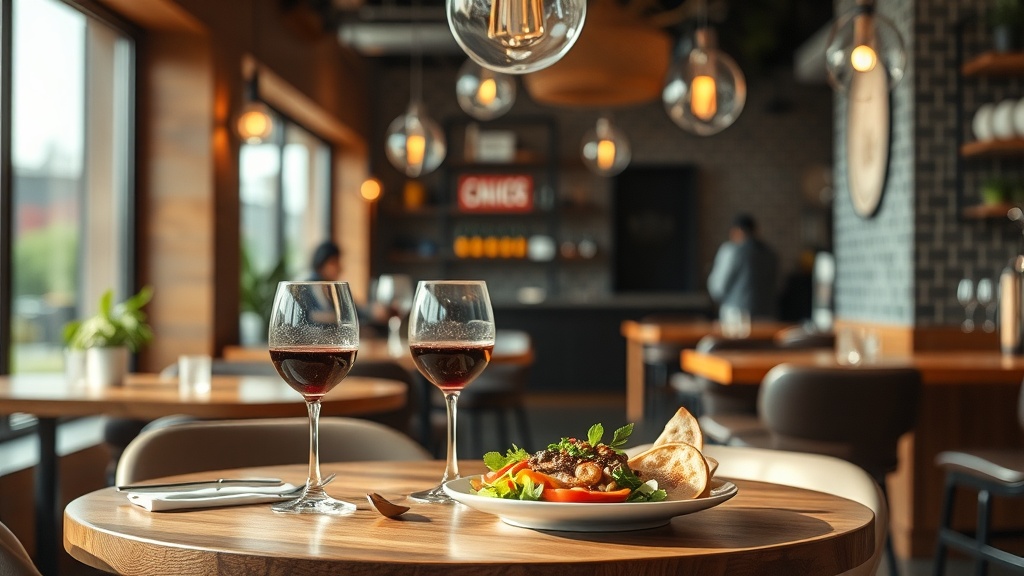
Best Practices For Restaurant Photography
Best Practices for Restaurant Photography: Tips for Captivating Food Shots
Capturing the essence of your restaurant through photography is essential in today’s digital age. With so many dining options available, high-quality images can make a significant difference in attracting customers. Here are some best practices to follow for restaurant photography that will help you create captivating food shots.
Natural Light is Your Best Friend
Using natural light can elevate your food photography game significantly. When possible, set up your shots near windows or in outdoor settings. Here’s why natural light works:
- Softness: Natural light creates a gentle and flattering illumination.
- Color Accuracy: It helps in representing the true colors of your dishes.
- Texture Enhancement: The warmth of sunlight can enhance the appealing textures of food.
To avoid harsh shadows, try capturing your shots during the golden hour – shortly after sunrise or before sunset. This period provides a lovely, warm glow that enhances the visual quality of your food.
Composition Matters
Great food photography isn’t just about the food; it’s also about how you frame it. Applying a few simple principles can significantly improve your images:
- Rule of Thirds: Imagine breaking your frame down into thirds, both horizontally and vertically. Place the food at the intersecting points for a more balanced look.
- Negative Space: negative space can draw attention to your dish. Leave some empty areas around your food to highlight it effectively.
- Angle Selection: Different dishes look better from various angles. A flat lay works wonders for pizza or platters, while a 45-degree angle might be more flattering for burgers or stacked items.
Experiment with different compositions to find what makes your food pop.
Styling Your Dishes
Take some time to style your dishes before photographing them. The presentation can greatly affect how appealing your food looks:
- Garnishing: Fresh herbs, edible flowers, or a sprinkle of spices can add vibrant colors and textures.
- Serving Ware: Choose plates and utensils that complement your dish. Contrasting colors can make your food stand out.
- Arrangement: Pay attention to how your food is placed. Stacking items or arranging them in visually appealing ways can create a story.
Remember, the goal is to make your dish as appetizing as possible.
Edit with Purpose
After capturing your shots, it’s time for editing. Post-processing can enhance colors and correct lighting, but moderation is key:
- Adjust Lighting: Brighten your images if they seem too dark, but avoid overexposing.
- Color Correction: Ensure the colors of your food look as they do in real life. No one wants to see a dish that looks entirely different than it tastes!
- Sharpness: Make sure your images are sharp and focused. A clear image is more enticing to potential customers.
Popular editing tools like Lightroom and Photoshop can help you fine-tune your photos while keeping them realistic.
Storytelling Through Photography
Your food shots should tell a story that connects potential diners with your restaurant. Consider the emotions you want to evoke:
- Contextual Shots: Include elements that reflect your restaurant’s vibe—like staff, the dining atmosphere, or preparation processes—to give your audience a full experience.
- Action Shots: Capture moments like a plate being served or a dish being garnished. This adds life to your food photography and engages viewers.
- Seasonality: Make use of seasonal ingredients or holiday-themed decorations to keep your content fresh and relevant.
When your photography connects with your audience on an emotional level, it encourages them to consider your restaurant for their next meal.
Applying these best practices can dramatically enhance your restaurant’s photography. With the right light, composition, styling, and editing, you can create stunning images that will attract and engage diners. Remember, your goal is to showcase the deliciousness of your food while inviting customers to experience it firsthand.
The Impact of Lighting on Food Photography
When it comes to food photography, lighting plays a crucial role. Proper lighting can enhance the colors, textures, and overall appeal of a dish, making it look more appetizing and enticing to potential customers. Let’s explore how lighting can significantly impact food photography and elevate your restaurant’s visual presentation.
Natural light is often regarded as the best option for food photography. Utilizing soft, diffused sunlight can create a warm and inviting ambiance. Shooting near a window during the golden hour—shortly after sunrise or before sunset—can infuse your images with beautiful golden tones, highlighting the freshness of your ingredients. Consider these tips for optimal use of natural light:
- Use a light diffuser: If the sunlight is too harsh, soften it with a white curtain or a lightbox. This will help to reduce harsh shadows and create a more even lighting effect.
- Reflect the light: Using a white surface or reflector can bounce light back onto your food, eliminating shadows and bringing out details in your dish.
- Experiment with angles: Different angles can dramatically change how light interacts with your food. Try shooting from above or at a 45-degree angle to find the most flattering perspective.
Artificial light also has its advantages, particularly when natural light isn’t available. It provides more control over the lighting environment, allowing you to set the mood precisely how you want it. When using artificial light for food photography, keep the following in mind:
- Choose the right bulbs: Use bulbs that mimic daylight for the most natural effect. LED lights often come with color temperature adjustments, allowing you to customize the warmth of your lighting.
- Consider softboxes: These are great for diffusing light and minimizing harsh shadows, creating a soft, even illumination across your dish.
- Aim for a three-point lighting setup: This technique involves the use of key, fill, and back lights. The key light is your main light source, the fill light softens shadows, and the back light creates depth and separation from the background.
The positioning of your light source can also make a significant difference. Front lighting illuminates the dish directly and can create a flat image, which may not be very dynamic. Side lighting, on the other hand, showcases textures and volume by casting dynamic shadows. This technique can dramatically enhance the composition and aesthetic of your food images, providing an organic and inviting feel.
Understanding color temperature is another critical factor in food photography lighting. Every light source emits light at a certain warmth or coolness measured in Kelvin (K). Ideal lighting for food photography is usually somewhere between 5000K to 6000K, which closely matches natural daylight. Warmer lights (below 3000K) can give your dishes an overly yellow tint, while cooler lights (above 6000K) might render them looking unnatural and less appetizing. Additionally, adjusting white balance settings on your camera can help account for light temperature, ensuring your colors are accurately represented.
It’s essential to remember that shadows can either enhance or harm your food photography. While soft shadows can add depth and texture, harsh shadows can detract from the visual appeal. Play with different lighting angles and intensities to find the perfect balance that highlights your dish without overwhelming it with undesirable shadows.
Don’t be afraid to experiment with creative lighting techniques. Try using colored gels over your light sources to create mood or apply spotlighting to draw attention to specific aspects of a dish. Using candles or fairy lights can also add a magical touch to your images, creating an inviting atmosphere that resonates with viewers.
Harnessing the power of lighting can transform your food photography from ordinary to extraordinary. Whether using natural or artificial light, the right approach can bring out the best in your dishes. Take the time to experiment, and you’ll discover how effective lighting can elevate your visual storytelling, ultimately attracting more customers to your restaurant.
Styling Tips to Enhance Culinary Visuals
When it comes to showcasing culinary creations, the right styling can make all the difference. Capturing the essence of your dishes through photography not only makes them more appealing but also fuels the appetite of potential diners. Follow these effective styling tips to enhance your culinary visuals and present your food in the best light possible.
Focus on Freshness and Quality
The first step is ensuring that the food you’re photographing looks fresh and high-quality. Use ingredients that are ripe and vibrant. When taking photos of fruits and vegetables, choose those that are blemish-free. For proteins, such as meat or seafood, emphasize the natural colors and textures. Fresh herbs can often add a pop of color and enhance the dish’s appeal.
Use the Right Props
Choosing the appropriate props is essential in styling food photography. The right elements can enhance the story you’re telling through the image. Consider the following:
- Dinnerware: Use plates, bowls, and utensils that complement your dish rather than overshadow it. Neutral colors often work best, allowing the food to take center stage.
- Linens: Textiles such as tablecloths and napkins can add texture. Choosing natural fabrics like cotton or linen in soft colors can create a warm atmosphere.
- Backgrounds: Don’t underestimate the power of a good backdrop. Wooden tables, marble surfaces, or textured walls work well. Ensure the background doesn’t compete with your food.
Consider Composition Wisely
Composition plays a massive role in food photography. Experiment with different angles to find what showcases your dish best. Here are some popular techniques:
- Overhead Shots: Ideal for flat dishes like pizzas or salads.
- 45-Degree Angle: This angle provides depth and dimension, perfect for showcasing height in dishes like burgers or layered desserts.
- Close-Ups: Zooming in can highlight texture and detail, drawing attention to the dish’s finer elements.
Don’t shy away from breaking the traditional rules of photography; feel free to get creative with framing and angles.
Play with Lighting
Proper lighting is crucial to achieving beautiful food photography. Natural light is often the most flattering, so consider shooting near a window during the golden hour—shortly after sunrise or before sunset. Here are tips to enhance your lighting:
- Soft Light: Avoid harsh overhead light, which can cast unflattering shadows. Instead, embrace diffused light for a softer look.
- Reflectors: You can use reflectors to bounce light back onto your dish, eliminating dark spots and enhancing colors.
- Experiment: Try different lighting setups. Small changes in position can yield vastly different effects.
Add Finishing Touches
To elevate your dish further, consider adding finishing touches that add color, texture, and flair. Here are a few ideas:
- Garnishes: Fresh herbs, edible flowers, or a sprinkle of spices can enhance presentation.
- Drizzles: A drizzle of sauce or oil can create visual interest, drawing the eye with its contrasting color.
- Textures: Include crunchy elements like nuts or seeds to create intrigue.
Mind Your Angles and Details
Zooming in on specific details can tell a story or evoke a feeling. Whether you want to capture steam rising from a hot dish or the glistening texture of a sauce, keep in mind the importance of showcasing unique aspects of your food. Details contribute to the narrative you’re creating through your photography.
Edit with Precision
After your shoot, editing can enhance the photos significantly. Use editing software to make subtle adjustments to brightness, contrast, and saturation. Here are some tips for effective editing:
- Crop Wisely: Remove any distractions from the edges of your frame.
- Color Correction: Adjust colors so that they look true to life.
- Maintain Naturalness: While editing can enhance your images, avoid over-processing. You want your food to look inviting and delicious, not artificial.
By incorporating these styling tips into your food photography, you’ll capture your culinary creations in a way that intrigues and inspires. Elevating your visuals not only attracts potential guests but also showcases the passion and artistry behind the dishes. With practice and creativity, you can turn ordinary meals into extraordinary culinary visuals that truly invite people to indulge.
Utilizing Props and Backgrounds in Restaurant Photos
Capturing mouthwatering restaurant photos involves more than just a camera and a plate of food. It’s an art that balances culinary delights with the right props and backgrounds. Utilizing props and backgrounds effectively can elevate your restaurant photography, making it more engaging and visually appealing. Here are some best practices to consider when staging your shots.
Choosing the Right Props
Props can enhance the storytelling aspect of your photographs. They add context and create a mood that can resonate with potential customers. Here are some tips for selecting the right props:
- Complementary Colors: Choose props that match the color palette of your dishes. A vibrant salad may pop against a rustic wooden table, while a dark plate can highlight the brightness of a dessert.
- Texture Addition: Incorporate different textures to add depth to your images. Use linens, wooden boards, or slate surfaces to create contrast between the food and the background.
- Functional Items: Use items that reflect your restaurant’s theme. A coffee shop might include a stylish coffee maker or vintage mugs, while an Italian restaurant could use a bottle of olive oil or fresh basil.
- Seasonal Props: Change your props according to the season. Fresh flowers, pumpkins in fall, or beach towels in summer can help set the scene and make your photos feel timely and relevant.
Creating an Engaging Background
The background of your photography is just as crucial as the props you choose. A well-thought-out background can enhance the overall composition. Here’s how to create the perfect backdrop:
- Simplistic Approach: Sometimes, less is more. A plain wall or a softly blurred background can keep the focus on your dish, avoiding distractions.
- Active Environments: Capture the ambiance of your restaurant by including a bit of the restaurant’s interior. If your eatery has a unique atmosphere or decor, highlight that in your images.
- Natural Elements: Incorporate elements from nature, such as wooden countertops or plants, to create a warm and inviting feel. These can evoke a sense of freshness, which is appealing to diners.
- Lighting Consideration: Ensure your background is well-lit. Natural light works wonders; however, if you’re indoors, use warm artificial lights to create a welcoming glow.
Staging Your Shots
Once you have selected the right props and established an engaging background, staging your shot is the next important step. Follow these guidelines to get the perfect angle and arrangement:
- Focus on Composition: Use the rule of thirds to arrange your food and props. Place your main dish off-center to create more visual interest.
- Layer Wisely: Create layers with your props to draw the viewer’s eye into the photo. Place items at different heights and distances to add depth to your image.
- Experiment with Angles: Take shots from different angles. Overhead shots are popular for flat-lay photography, while side angles can showcase layers in a burger or cake.
- Include Human Element: Sometimes, including a hand reaching for a dish can create a narrative aspect, making the image more relatable and inviting.
Post-Production Enhancements
After capturing your images, you can enhance them further through post-production. Here are a few steps to consider:
- Color Correction: Adjust the colors to ensure they are true to life, making the food look irresistible.
- Contrast and Brightness: Play around with contrast and brightness levels to make your images pop without losing details.
- Crop Smartly: If needed, crop your images to emphasize the main elements or improve composition.
- Filters with Caution: Use filters sparingly. A light touch can enhance your photo, but heavy filters can misrepresent your food.
Props and backgrounds effectively into your restaurant photography can significantly impact how your dishes are perceived. With thoughtful choices and proper staging, you can create stunning images that draw in potential diners and showcase the unique offerings of your restaurant. By applying these best practices, you can transform average shots into eye-catching visuals that speak directly to your audience.
Social Media Strategy: Sharing Your Restaurant’s Visual Story
In an age where social media reigns supreme, a restaurant’s visual story can be its greatest asset. Sharing mouthwatering images of your dishes, behind-the-scenes glimpses, and the vibrant atmosphere of your space helps create a connection between your brand and potential customers. To effectively implement a social media strategy, focus on the following best practices to tell your restaurant’s visual story.
Emphasize High-Quality Photography
Visual content is crucial in grabbing attention on social media. Invest in quality photography to showcase your dishes and the overall ambiance of your restaurant. Here are some tips to enhance your food photography:
- Natural Lighting: Whenever possible, use natural light to highlight the colors and textures of your food. This creates an appealing look that images taken in low light simply can’t match.
- Clean Backgrounds: Avoid clutter in your photos. Choose simple, clean backgrounds that make the food pop.
- Angles Matter: Experiment with shooting from different angles. Try overhead shots for flat dishes and eye-level shots to capture the height of layered foods.
- Focus on Freshness: Make sure your food looks fresh and appetizing. Prepare dishes just before shooting and style them carefully to look their absolute best.
Utilize Storytelling Through Visuals
Every photo you share should tell a story. Whether it’s showcasing the skill of your chefs, the history behind a recipe, or the joy of patrons enjoying your food, storytelling is key. Consider these elements to enhance your narrative:
- Involve Your Team: Share images featuring your chefs or servers. This humanizes your brand and lets customers know the faces behind the food.
- Show Your Ingredients: Highlighting fresh ingredients straight from local farms tells a story of quality and care. This can create a deeper connection with customers who value farm-to-table options.
- Customer Experiences: Share photos of customers enjoying their meals. User-generated content not only adds authenticity but also encourages others to share their experience.
Leverage Video Content
Videos can be more engaging than static images. Use short clips to showcase the preparation of dishes, highlight special events, or give a tour of your restaurant. Here are some ideas:
- Behind-the-Scenes Clips: Show your kitchen staff preparing meals. This creates a connection and can build trust in the quality of your food.
- Quick Recipes: Share cooking tips or mini-recipe videos. This not only engages viewers but can position your restaurant as an authority in cuisine.
- Live Streams: Consider live broadcasting events, Q&A sessions, or your opening days. This immediate interaction can foster community engagement.
Engage with Your Audience
Creating visual content is only part of the strategy. Engaging with your audience is critical. Here’s how to keep the conversation going:
- Respond to Comments: Take the time to reply to comments on your posts. This encourages further interaction and shows you value customer feedback.
- Use Polls and Q&A Sessions: Engage users by asking what they want to see next or introducing new menu items. This not only makes them feel involved but also provides insight into their preferences.
- Collaborate with Influencers: Team up with local food bloggers or social media influencers to reach a broader audience. Their followers may become interested in your restaurant through their endorsement.
Post Consistently and Strategically
Your restaurant should maintain a consistent posting schedule to keep your audience engaged. Use analytics tools to determine the best times to post and tailor your calendar around high-traffic times. Consider the following:
- Content Calendar: Create a monthly calendar that outlines what types of content you’ll share. This keeps your visuals varied and interesting.
- Seasonal Promotions: Take advantage of holidays, local events, and seasonal ingredients to inform your social media content, ensuring it remains relevant.
- Track Performance: Use analytics to assess which posts receive the most engagement. This helps refine your strategy over time, focusing on what truly resonates with your audience.
Your restaurant’s visual story has the power to attract and connect with customers far beyond the four walls of your establishment. By utilizing high-quality photography, engaging storytelling, effective video content, and consistent audience interaction, you can create a dynamic social media presence that effectively builds your brand and drives customers through your doors.
Conclusion
Effective restaurant photography can dramatically elevate your establishment’s appeal and help showcase your culinary creations. By adhering to best practices in food photography, you can capture captivating shots that entice customers and tell a story about your offerings. The role of lighting cannot be overstated; natural light tends to bring out the best in food, enhancing colors and textures, while artificial lighting can create dramatic effects if used correctly.
Styling your dishes with care is essential for making them visually appealing. Small garnishes, strategic placement, and thoughtful arrangement can draw the viewer’s eye and make the food look irresistibly delicious. props and backgrounds also plays a significant role; the right setting can complement your dish and create a mood that reflects your restaurant’s vibe.
Leveraging social media effectively to share these stunning visuals can expand your reach and connect with potential customers. Crafting a visual story not only enhances engagement but also builds an authentic connection with your audience. By applying these best practices, you can transform your restaurant photography into a powerful marketing tool that not only entices diners but also sets a strong foundation for your brand’s presence online. Embrace these strategies to make your culinary creations shine and invite more customers through your doors. Your visual journey is just as important as the food you serve, so invest the time and care necessary to get it right.