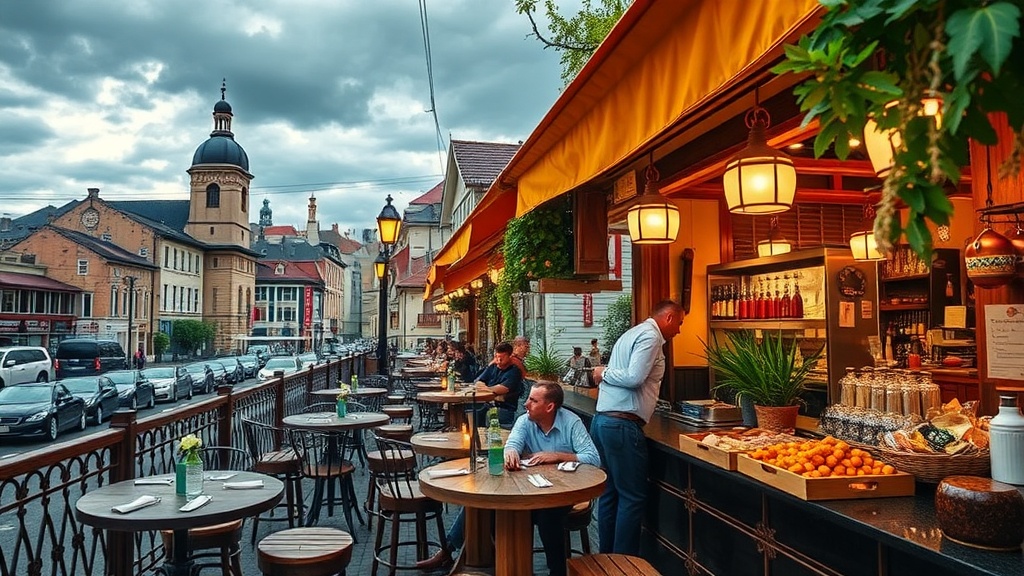
10 Underrated Cities With Incredible Food Scenes
Exploring 10 Underrated Cities with Incredible Food Scenes
If you think the culinary scene is limited to big cities like New York or Los Angeles, think again! Across the United States and beyond, many underrated cities are bursting with flavors that can compete with the more famous destinations. Let’s dive into ten hidden gems that offer incredible food experiences you won’t want to miss.
1. Kansas City, Missouri
Kansas City is renowned for its barbecue, but there’s much more to explore. Food lovers can indulge in a mix of classic soul food, farm-to-table concepts, and innovative dishes from local chefs. Don’t miss a visit to the historic City Market for fresh produce and international cuisine.
2. Portland, Maine
While Portland, Oregon may steal some of the spotlight, Portland, Maine holds its own with a thriving culinary scene. This coastal city offers delicious seafood, artisanal coffee, and vibrant farm-to-table restaurants. Be sure to sample the lobster rolls and visit local breweries for craft beer that pairs perfectly with your meal.
3. Albuquerque, New Mexico
Albuquerque is a treasure trove of Southwestern cuisine. The food here is defined by its unique blend of cultures and flavors. Savor the green chile dishes, tamales, and enchiladas. Roadside stands serve the best nachos loaded with local ingredients, offering a quick and tasty bite.
4. Richmond, Virginia
Richmond’s food scene is dynamic and exciting, with a focus on Southern comfort food using local ingredients. You can find everything from pop-up eateries to established restaurants serving fried chicken, biscuits, and inventive twists on traditional dishes. Take a time to explore the city’s food festivals for a real taste of Richmond!
5. Nashville, Tennessee
Nashville is more than just country music—it’s becoming a hotspot for food lovers too! The city is famous for its hot chicken, but also offers a variety of international flavors and trendy eateries. Don’t forget to check out the local food trucks for a taste of what the city’s upcoming chefs have to offer.
6. Grand Rapids, Michigan
Grand Rapids is making a name for itself with a vibrant craft beer and farm-to-table scene. With several breweries and innovative restaurants, tasting local fare here is a must. Try the region’s inspired dishes that highlight local produce and meat, and don’t miss out on dessert options from local bakeries!
7. Salt Lake City, Utah
Salt Lake City offers a unique mix of flavors from its diverse cultural background. You’ll find everything from traditional American cuisine to authentic Thai and Middle Eastern dishes. The burgeoning food truck community adds another element to the mix, serving everything from tacos to gourmet burgers in convenient locations across the city.
8. Omaha, Nebraska
Omaha is not just a steak destination; it boasts a surprisingly diverse food landscape. The Old Market district features local eateries serving fresh seafood, homemade pasta, and artisan sandwiches. The city’s farmers’ market showcases local producers and their goods, giving you a taste of Nebraska’s rich agricultural heritage.
9. Tucson, Arizona
Tucson is recognized as a UNESCO City of Gastronomy, embracing the flavors of Mexican and Native American influences. With a variety of local dishes, you can enjoy everything from Sonoran hot dogs to traditional enchiladas. Make sure to sample the local tequilas and salsas that add a unique twist to dining experiences here.
10. Buffalo, New York
Buffalo is renowned for its hot wings, but there’s so much more to the city’s food scene. A mix of old-school Italian restaurants, trendy gastropubs, and new-age eateries makes Buffalo an exciting place to explore. Enjoy the local beef on weck sandwiches or tasty pierogies while soaking in the city’s vibrant atmosphere.
These ten underrated cities not only have incredible food scenes but also a rich culture that enhances the dining experience. Whether you’re a foodie looking for your next adventure or someone who enjoys flavors from different regions, these hidden gems are worth exploring. So pack your bags, grab your fork, and prepare for an unforgettable culinary journey!
The Unique Flavors of Lesser-Known Culinary Destinations
Traveling for food is an adventure that often leads us to famous culinary capitals like Paris, Tokyo, or New York City. However, many lesser-known cities offer remarkable food scenes bursting with unique flavors. These hidden gems are waiting for you to discover their distinct culinary identities. Here are ten underrated cities where culinary delights await you.
1. Burlington, Vermont
Burlington is known for its farm-to-table movement. Local chefs pride themselves on using fresh, seasonal ingredients. Don’t miss out on a cheese tasting at the nearby farms or try the artisanal pizzas at local hotspots. The vibrant food scene is complemented by stunning lake views.
2. Savannah, Georgia
Savannah boasts a rich culinary history infused with Southern charm. From shrimp and grits to fried green tomatoes, the dishes tell the story of the region. The city also showcases a vibrant scene of international cuisine, from Lowcountry fare to Creole influences.
3. Asheville, North Carolina
This mountain town is a treasure trove for food lovers. Asheville’s breweries are renowned nationally, while its restaurants focus on locally sourced ingredients. Don’t forget to sample the vibrant street food and diverse vegan options that make this city stand out.
4. Omaha, Nebraska
Omaha surprises visitors with its culinary landscape. From its famous steaks to unique dishes inspired by immigrant cultures, the city has an identity of its own. Explore the bustling Old Market district for a variety of dining options, including the ever-popular runza.
5. Boise, Idaho
Often overlooked, Boise is home to a thriving food scene shaped by local farmers. Here, you can enjoy farm-fresh produce and unique dishes like huckleberry-flavored everything. The food trucks offer everything from gourmet tacos to savory Ethiopian fare, ensuring that there’s something for everyone.
6. Richmond, Virginia
This city features a burgeoning culinary scene that blends traditional Southern cooking with modern techniques. Richmond is known for its craft breweries and a slew of innovative restaurants. Be sure to try the locally made BBQ and explore the growing vegan scene.
7. Albuquerque, New Mexico
Albuquerque is a melting pot of flavors influenced by Native American and Mexican cuisines. The signature dish, enchiladas smothered in green or red chile, is a must-try. Explore local markets for authentic spices and culinary treasures that can enhance your cooking at home.
8. Salt Lake City, Utah
Salt Lake City offers a unique blend of traditional American and international eats. The city’s food scene has exploded in recent years, with diverse offerings ranging from hearty sandwiches to gourmet doughnuts. The farmers market is the place to be for a taste of local produce and artisanal treats.
9. Kansas City, Missouri
Famous for its BBQ, Kansas City is a meat lover’s paradise. But there’s more to explore beyond the ribs and burnt ends. Check out local food festivals and try dishes influenced by its multicultural population, including Mediterranean, Asian, and Latin flavors.
10. Providence, Rhode Island
Residents of Providence take pride in their food culture, and rightly so. Known for its seafood, particularly clam chowder and calamari, this city offers a mix of high-end dining and cozy cafes. Don’t miss the famous WaterFire, where you can savor delicious bites from food vendors while enjoying a unique cultural experience.
Each of these cities offers a distinct culinary landscape waiting to be explored. Whether you’re indulging in local specialties or discovering innovative dishes, these underrated destinations serve up unforgettable food experiences. So pack your bags and get ready to explore the unique flavors only these lesser-known culinary hotspots can provide!
How Local Ingredients Shape the Food Cultures of Hidden Gems
Every region has its own unique identity shaped by various factors, but few things define a community more than its food culture. In smaller, lesser-known cities, local ingredients often play a pivotal role in crafting culinary traditions that reflect the area’s heritage and values. This connection to the land creates vibrant food scenes that go beyond mere dining experiences, inviting you to explore the soul of each hidden gem.
One of the most fascinating aspects of food cultures in these underrated cities is how they emphasize seasonal and local produce. By sourcing ingredients from nearby farms or even urban gardens, chefs can highlight flavors that genuinely represent the area. Here are some ways local ingredients shape food cultures:
- Flavor Profiles: When chefs use ingredients from their surroundings, they bring out flavors that are truly unique to that region. You won’t find the same taste in dishes made with imported ingredients. For example, coastal towns may feature seafood caught fresh daily, leading to dishes bursting with ocean-inspired flavors.
- Community Ties: Utilizing local products strengthens the bond between restaurants and farmers. You might encounter farmers’ markets where chefs gather the freshest picks early in the day. This fosters a sense of community as residents support each other, knowing that their dinner plate is filled with local goodness.
- Cultural Heritage: Many hidden gem cities boast a rich cultural history that influences their food. Traditional recipes are often passed down through generations, evolving as local ingredients become available. These culinary stories are not just about flavors; they connect you to the city’s past and its people.
- Creativity and Innovation: When chefs work with local ingredients, they often experiment, leading to exciting new dishes. For example, a chef in a mountain town might take wild mushrooms foraging to create a unique pasta dish, infusing local woods and flavors into their cuisine.
- Sustainability: Relying on local ingredients reduces transportation emissions and promotes sustainable practices. When restaurants prioritize local foods, they often support sustainable farming methods, which is essential for environmental health.
Some hidden gem cities excel at showcasing these local ingredients and their impacts on food culture. Let’s explore a few:
1. Asheville, North Carolina: Nestled in the Blue Ridge Mountains, Asheville is known for its strong farm-to-table movement. With numerous local farms around, you’ll find restaurants that focus on seasonal ingredients, making every dining experience unique.
2. Bend, Oregon: Surrounded by stunning natural beauty, Bend offers a vibrant food scene that utilizes local game and foraged ingredients. The craft beer culture here also complements the food, utilizing local hops and grains.
3. Savannah, Georgia: With its rich Southern heritage, Savannah’s cuisine features local seafood, sweetgrass, and produce from nearby farms. The city’s culinary scene respects its roots while allowing chefs to innovate.
4. Burlington, Vermont: This small city prides itself on its locally sourced ingredients, particularly dairy and meats. You will find many eateries that embrace the farm-to-fork philosophy, bringing fresh flavors to traditional dishes.
5. Santa Fe, New Mexico: Known for its unique blend of Native American and Spanish cuisines, Santa Fe utilizes local chilies, grains, and vegetables. The food scene is incredibly vibrant, showcasing traditional techniques with fresh ingredients.
6. Flagstaff, Arizona: This mountain town incorporates local game, produce, and even herbs from local nurseries. Its diverse food culture includes everything from Mexican-inspired dishes to more avant-garde gastronomy.
7. Roanoke, Virginia: With an emphasis on small-scale agriculture, Roanoke’s restaurants serve dishes made from seasonal and local produce, enriching the community with farm-fresh meals.
8. Lafayette, Louisiana: Deep in Cajun country, Lafayette embraces its cultural heritage with dishes featuring local seafood and spices, ensuring that every meal reflects the unique flavor of the region.
9. Kalamazoo, Michigan: Known for its various local food initiatives, Kalamazoo highlights regional grains and artisanal products, helping educate both residents and visitors about the importance of local sourcing.
10. Greenville, South Carolina: With an emerging food scene, Greenville celebrates Southern traditions using local ingredients to create a blend of classic and contemporary dishes. This city is quickly becoming a food lover’s haven.
As you explore these underrated cities, it’s clear that local ingredients are at the heart of their food cultures. The stories behind the food, the impact on communities, and the innovative techniques chefs use all enhance your overall dining experience. When you indulge in the flavors of these hidden gems, you’re not just tasting a meal; you’re savoring a deeper connection to the place and its people.
The Role of Food Festivals in Promoting Underrated Cities
Food festivals have emerged as vibrant celebrations that not only showcase culinary diversity but also play a crucial role in promoting underrated cities. These events bring people together, highlighting local delicacies and culture, and transforming the way the world perceives these lesser-known destinations. Through unique flavors, engaging experiences, and community spirit, food festivals can rejuvenate local economies and foster tourism.
When you visit a city known for its food festival, you may stumble across hidden gems. Here are some key ways in which these festivals contribute to the recognition of underrated cities:
- Showcasing Local Cuisine: Food festivals serve as a platform for local chefs, home cooks, and food artisans to present their signature dishes. It’s a chance to highlight regional ingredients and culinary techniques, which fosters appreciation for the local food culture. The taste of a city is often tied to its history, and food festivals provide a taste that tells a story.
- Attracting Tourists: When a city hosts a food festival, it generates buzz and attracts visitors from neighboring areas and beyond. Tourists are drawn not only by the food but also by the opportunity to explore the city. As these visitors indulge in the local cuisine, they often extend their stay to discover the city’s attractions, shops, and other cultural experiences.
- Creating Community Engagement: Food festivals foster community pride and engagement. Local residents collaborate to plan and execute these events, which helps build bonds among neighbors. This community spirit can enhance the overall atmosphere of the city, inviting residents and visitors to engage with one another more actively.
- Boosting Local Economy: The economic impact of food festivals can be significant. Vendors, small businesses, and local farms benefit from increased sales during these events. A successful festival can create long-term economic growth by encouraging repeat business and drawing attention to local enterprises. As word spreads about the city’s food scene, new opportunities for development emerge.
- Encouraging Culinary Innovation: Events that celebrate food can inspire culinary innovation within the city. Chefs and food enthusiasts may experiment with local ingredients and develop new recipes that become signature dishes. Over time, this drives a culinary evolution, making the city a destination for food lovers looking for something novel and exciting.
- Building Cultural Identity: Food is deeply intertwined with culture, and food festivals highlight this connection. By showcasing different cuisines and cooking styles, these events help promote the unique cultural identity of a city. This not only enhances the local atmosphere but also creates a sense of belonging among residents.
- Increasing Visibility through Media: Food festivals often attract media coverage that showcases a city’s food scene to broader audiences. Whether through blog posts, social media, or television features, the visibility gained can be a game changer for these cities. As more people learn about the festival, interest in visiting the city increases.
- Networking Opportunities: Food festivals also serve as networking platforms for food enthusiasts, chefs, and entrepreneurs. Participants can meet industry professionals, create partnerships, and spark collaborations that enhance the local food landscape. This interconnectedness can lead to future events and an ever-growing presence of food culture.
- Showcasing Sustainability Efforts: Many food festivals emphasize sustainability and responsible sourcing. By promoting local, organic ingredients and eco-friendly practices, these events can raise awareness about sustainability. Cities that focus on these initiatives can position themselves as leaders in the sustainable food movement.
- Creating Lasting Memories: Last but not least, food festivals create lasting memories for those who attend. The experiences of tasting new foods, meeting passionate chefs, and mingling with fellow food lovers leave a positive impression. Attendees are likely to share their experiences with friends and family, generating word-of-mouth marketing for the city.
Food festivals play a vital role in promoting underrated cities by showcasing local cuisine, attracting tourists, and boosting community engagement. They create an atmosphere of celebration that highlights the unique flavors and culture of each destination. Underrated cities can not only elevate their culinary status but also foster community pride, economic growth, and a sustainable food culture through these vibrant events. So the next time you hear about a food festival in a lesser-known city, don’t hesitate – pack your bags and indulge in the incredible food scene waiting for you!
Hidden Culinary Traditions Worth Discovering in Small Towns
When you think of culinary delights, big cities often come to mind. But hidden in the rolling hills and quiet streets of small towns are culinary traditions just waiting to be discovered. From homemade recipes passed down through generations to unique local ingredients, these small towns offer rich culinary experiences that are often overlooked. Here are some hidden gems worth exploring.
Bentonville, Arkansas
Bentonville has quietly emerged as a foodie hotspot in recent years. The town is home to the popular Crystal Bridges Museum, but its culinary scene is equally impressive. You can taste the legacy of the Ozarks through traditional dishes like fried catfish and biscuits smothered in gravy. Don’t miss local markets where chefs showcase fresh produce and artisanal products.
Galena, Illinois
Galena gives you a chance to relish hearty Midwestern flavors. This charming town boasts an array of eateries that serve classic American comfort food. Dish of the town? The locally sourced cheeseburgers and pies. The annual Galena Garlic Fest highlights the community’s love for fresh ingredients, showcasing local farmers and their delicious garlic-infused dishes.
Port Townsend, Washington
Known for its picturesque waterfront, Port Townsend also dazzles with seafood. Here, fishermen bring in the latest catch, and local chefs are eager to whip it up. Oysters are a must-try, prepared in various styles, from charbroiled to raw on the half shell. The Farm-to-Table movement is also strong here, making your dining experience not just delicious but sustainable.
Fargo, North Dakota
Don’t underestimate Fargo’s culinary scene. This city has a growing number of innovative restaurants that focus on farm-fresh ingredients. You’ll find unique regional dishes like hotdish, a type of casserole, and the famous Minnesota wild rice. Local breweries also craft exceptional beers, pairing well with the diverse menu options around town.
Easton, Maryland
In Easton, the Chesapeake Bay influences many culinary delights. The town’s renowned crab cakes are a highlight, made with fresh blue crabs caught right from the bay. Eating at local waterfront restaurants will give you a scenic view along with delightful dishes. Additionally, Easton hosts the annual Waterfowl Festival, which celebrates the area’s connection to nature and food.
Leavenworth, Washington
This Bavarian-style village is not just about the scenery; it’s a hub for wonderful German cuisine. Visitors can dig into bratwurst, schnitzel, and pretzels that transport them straight to Germany. Local breweries serve up German-style beers that pair beautifully with hearty meals, making a dining experience here a memorable one.
New Hope, Pennsylvania
New Hope is famous for its artsy vibe and vibrant culinary scene. Don’t miss tasting local favorites like roasted beet salads and artisanal cheesecakes. The town also has a strong farm-to-table movement, where you can enjoy dishes showcasing seasonal ingredients. Several restaurants host special events and tasting menus that feature local wines and produce.
Heber City, Utah
Nestled in the mountains, Heber City offers a unique blend of flavors that reflect its diverse culture. You can savor wild game dishes like elk burgers and smoked trout. The local culinary scene thrives with an emphasis on organic and locally sourced ingredients, perfect for anyone looking to try something fresh and new.
Abingdon, Virginia
Abingdon radiates southern charm with its hearty and comforting dishes. Enjoy local specialties like cornbread and barbecue, all prepared with traditional southern flair. The town also has a vibrant craft beer scene, complementing the local flavors found in various eateries and food festivals throughout the year.
Jackson, Michigan
Jackson is gaining a reputation for its creative use of local flavors. In this town, you can enjoy dishes that celebrate the area’s agriculture, like dishes featuring apples and cherries. Local bars and restaurants often hold events showcasing Michigan’s rich brewing history, where you can taste freshly brewed ales alongside seasonal fare.
These small towns prove that incredible food scenes can exist outside major metropolitan areas. Each locale offers unique combinations of flavors, traditions, and experiences that make them worthy of a visit. Next time you plan a culinary adventure, don’t overlook these hidden culinary treasures. Explore, taste, and embrace the rich heritage that small-town dining has to offer!
Conclusion
If you’re a food lover seeking new culinary adventures, these underrated cities are waiting to be explored. Each destination offers unique flavors that reflect the local culture and ingredient-rich landscapes. By venturing off the beaten path, you can taste dishes that tell stories of tradition and community, revealing the heart of these hidden gems.
The use of local ingredients not only enhances the flavor but also supports local farmers and artisans, making your dining experience more meaningful. These cities showcase an incredible tapestry of culinary traditions that deserve recognition. From unexpected spicy treats to comforting home-style meals, every bite transports you to the region it represents.
Food festivals in these locations play a crucial role in bringing attention to their vibrant culinary scenes. They offer a chance to sample diverse dishes while celebrating community and culture. Visitors to these festivals often leave with a newfound appreciation for the local cuisine and its heritage.
Don’t overlook the small towns often overshadowed by bigger cities. Hidden culinary traditions thrive in these spaces, waiting for adventurous eaters to discover them. So, pack your bags, embrace the spirit of exploration, and indulge in the flavors of these underrated cities. You’ll not only satisfy your taste buds but also create memories and stories to share. Each bite is a step into a world of culinary treasures just waiting to be tasted.