How Chefs Are Inspired By Local Art Movements
How Chefs Are Inspired by Local Art Movements
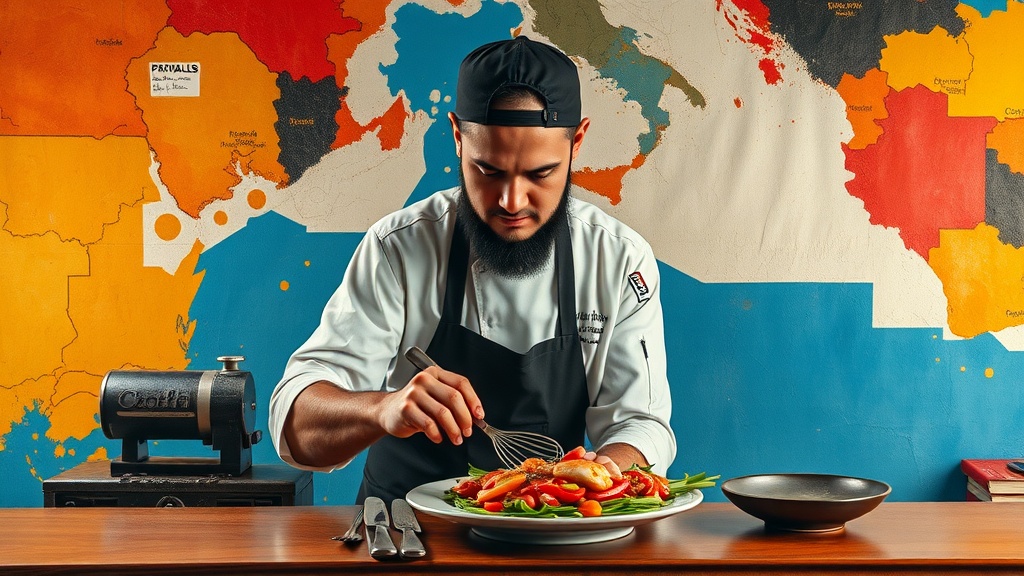
In today’s culinary landscape, the relationship between chefs and local art movements is more vibrant than ever. Chefs are increasingly drawing inspiration from their surroundings, reflecting the unique creativity found in the art scene of their communities. This connection between food and art not only enhances the dining experience but also fosters a sense of locality and identity. Understanding how these two worlds merge can shed light on the diverse flavors and presentations you see on your plate.
Many chefs take cues from local art movements, incorporating colors, themes, and techniques that resonate with the region’s artistic vibe. For instance, if a town is known for its street art, chefs may choose bold flavors or vibrant colors in their dishes that mirror this aesthetic. Here are some ways chefs find inspiration in local art:
- Color Schemes: Artistic movements often revolve around specific color palettes that define their character. Chefs might select ingredients based on these hues, utilizing vibrant vegetables or choosing plating techniques that reflect the surrounding art.
- Textures: The textures evident in local sculptures or paintings can guide chefs in how they present their dishes. For example, a dish might feature a crunchy element alongside smooth sauces to mimic the diversity found in mixed media art.
- Cultural Stories: Many art forms tell a story, whether through visual means or beyond. Chefs often craft menus that narrate the history or culture of their community, drawing parallels with local artists and their messages.
- Seasonal Influence: Seasonal art exhibits can inspire chefs to create menus that align with changing seasons, using the freshest ingredients and adapting flavors to reflect the art showcased during that time.
Besides visual aspects, local art movements also impact the way chefs think about flavor combinations and ingredient selection. Just as artists experiment with mediums, chefs craft dishes blending regional elements with avant-garde techniques. For example, a chef in a city famous for its abstract art might try deconstructing a traditional dish, presenting each element in a way that invites curiosity and engagement.
Collaborations between artists and chefs are on the rise, creating exciting gastronomic experiences. Pop-up events and art installations often feature food that resonates with the theme of the exhibit. This partnership allows chefs to experiment while directly engaging with the community. It also encourages diners to appreciate both the food and the art, leading to a richer understanding of their environment.
For example, a chef might work with a local muralist to design a dining event that showcases dishes inspired by the mural itself. Each plate reflects the imagery and narrative of the artwork, making the dining experience an immersive one. Guests not only eat but are transported into the world of the mural, deepening their connection to both the food and the art.
In addition, many chefs are influenced by regional art movements that capture cultural identities. In areas with a strong historical or cultural context, chefs often use traditional cooking methods and local ingredients that honor their roots. This homage to local art forms can be seen in the way they incorporate traditional techniques or forgotten ingredients into modern dishes, creating a bridge between past and present.
Even social movements in the art community can inspire chefs. For instance, if an art movement advocates sustainability or social justice, chefs may adopt similar values in their restaurants. They might partner with local farms or implement eco-friendly practices within their kitchens to align with the ethical messages prevalent in the art world.
Ultimately, the interface between local art movements and culinary arts provides an imaginative canvas for chefs. They are not only creating food but are crafting experiences that engage the senses and tell stories. As diners, this offers you an understanding of the significance behind each bite, as well as the creative forces that shape your meal. The next time you dine out, take a moment to appreciate how the spirit of local art might find its way onto your plate.
By embracing these connections, chefs contribute to a multi-faceted cultural dialogue that celebrates both art and food. This creates a dynamic culinary scene that thrives on creativity, sustainability, and community engagement, ultimately enriching the dining experience for all.
Regional Flavors: The Intersection of Cuisine and Cultural Expression
Regional flavors play a vital role in the way we experience culture and community. When we think of food, we often overlook how it ties into local traditions and artistic expression. Chefs have become storytellers, weaving the ingredients and techniques of their culture into vibrant dishes that not only satisfy the palate but also ignite a sense of connection to the community and its history.
Local ingredients are often the backbone of such culinary creations. When chefs use seasonal produce, meats, and spices, they are celebrating the land from which their food originates. This practice supports local farmers and ensures that dishes are not just fresh but also resonate with the essence of the region. The true beauty of regional cuisine lies in its ability to evoke memories and create a sense of belonging. Here are some ways that regional flavors reflect local culture:
- Tradition: Recipes often carry history. Grandmothers may pass down secret techniques, and festivals can spawn unique dishes meant to symbolize local heritage.
- Seasonality: Regional cuisine evolves with the seasons. In summer, chefs might highlight fresh tomatoes and sweet corn, while winter could bring hearty squash and root vegetables.
- Diversity: Areas with rich cultural mixes often produce a variety of flavor profiles. This fusion can lead to exciting combinations and new culinary experiences that tell stories of the past.
Cultural expression in cuisine is not just about the taste but the visual appeal and presentation. Chefs often take inspiration from local art movements, integrating colors and designs from nearby galleries and street art into their plating. A vibrant dish can mirror the hues of a local mural or the patterns found in indigenous textiles. This connection to visual art transforms a meal into a multisensory experience. Here are some key aspects of this intersection:
- Color: Just as artists use color to evoke emotion, chefs select ingredients that pop visually. Bright garnishes can reflect the vibrancy found in local artistic expressions.
- Textures: The interplay of different textures in a dish—such as crispy, creamy, and chewy—can be likened to the tactile aspect of sculpture or textiles from a local artist.
- Storytelling: Like a piece of artwork that tells a story, a dish can embody the chef’s personal journey, the history of local ingredients, or the cultural significance of a recipe.
Collaborations between chefs and local artists have become increasingly common. These partnerships often lead to unique dining events or pop-up restaurants that showcase not only food but also local art. For example, a chef may create a special menu inspired by a local gallery’s exhibition, incorporating ingredients that resonate with the theme. This not only brings attention to both food and art but helps to foster community ties.
Moreover, the physical spaces where food is enjoyed can enhance this cultural dialogue. Restaurants adorned with works from local artists or serving dishes inspired by local crafts create a holistic experience. Diners are invited not just to eat but to engage with the surroundings, making the act of dining a complete cultural immersion.
Events like food festivals serve as platforms for showcasing regional flavors and encouraging interactions between chefs, artists, and the community. These gatherings highlight the synergy of cooking as an art form and open the door for chefs to explore new creative avenues while honoring the cultural heritage of their food. By tasting the variety that regional cuisines offer, you can expand your understanding of that area’s culture and history.
In essence, the intersection of cuisine and cultural expression is rich and varied. From seasonal ingredients to visual artistry, local chefs are crafting an experience that nourishes not only the body but the soul. When you enjoy a dish that reflects regional flavors, you are partaking in a story that connects you to the local heritage and community. Embracing these regional influences yields a deeper appreciation of the art of food and its place within our cultural landscape.
So the next time you savor a beautifully plated meal that bursts with local flavor, consider the stories and traditions that have shaped that dish. It’s not merely food; it’s a canvas of creativity that reflects the heartbeat of its community.
The Role of Culinary Creativity in Reflecting Local Heritage
Culinary creativity plays a vital role in expressing local heritage, capturing the essence of a community’s culture, traditions, and historical context. Chefs take inspiration from their surroundings, weaving native ingredients, techniques, and stories into their dishes. This blend of creativity and heritage not only pays homage to the past but also engages diners in a sensory experience that reflects the unique identity of a place.
Food is more than sustenance; it is a story told through flavors and textures. When chefs delve into their local heritage, they often find a treasure trove of influences that shape their culinary style. These influences can include:
- Indigenous Ingredients: Chefs often use local produce, herbs, and spices that are indigenous to the area. These ingredients offer authenticity and a direct link to the region’s history.
- Traditional Techniques: Understanding and applying cooking methods passed down through generations helps chefs connect with the community’s culinary roots. Techniques such as fermentation, smoking, or baking bread can reflect the identity of a region.
- Cultural Stories: Each dish can tell a story. Chefs might incorporate local folklore or historical events into their menu, encouraging diners to engage with these narratives while enjoying their meal.
As chefs explore their local heritage, they often adapt these traditional elements to create innovative dishes that resonate with modern palates. This transformational process can lead to a culinary landscape that highlights both respect for tradition and the excitement of creativity. For example, a chef might take a classic dish like paella and introduce unconventional ingredients that reflect the area’s current agricultural trends, thus forming a hybrid that respects the past while celebrating the present.
Local art movements also influence culinary creativity. Just as painters and sculptors draw inspiration from their environment, so do chefs. They observe local artists’ works, experiencing how colors, shapes, and themes can translate onto a plate. Visual art affects how food is presented, evoking emotions and stimulating the senses in unique ways. Plating dishes with a focus on aesthetics can turn a simple meal into a captivating experience.
Moreover, collaboration between chefs and artists is becoming more common. Such partnerships can include hosting art-themed pop-up dinners where culinary creations are inspired by specific artworks or artist philosophies. This kind of event not only showcases local talent but also fosters community engagement, inviting beer brewers, winemakers, and farmers to join the conversation and contribute to the shared experience.
Local heritage influences are not just confined to ingredients and techniques but within the very ambiance where dining takes place. Restaurants can become extensions of cultural expression by incorporating local art, music, and decor that resonates with the community. The environment enhances the culinary experience, providing diners with an immersive journey that connects them with the locality’s heritage.
Furthermore, chefs wield a responsibility to promote sustainability and ethics in their cooking practices. By sourcing ingredients from local farms and producers, they support economies, reduce their carbon footprint, and advocate for stewardship of the land. This commitment to sustainable practices goes hand in hand with celebrating local heritage. Chefs can embrace seasonal menus that highlight the best of what the region has to offer, showcasing the culinary landscape throughout the year.
Ultimately, culinary creativity serves as a bridge between the past and the future. It reflects the layers of local heritage while allowing for innovation and growth. Chefs become storytellers, painting the canvas of each plate with the rich history of their region while inspiring the community to cherish and celebrate their cultural roots.
As diners learn about the inspirations behind the meals they enjoy, a deeper appreciation develops for the artistry involved in creation. Embracing local heritage not only enriches the culinary experience but also fosters a sense of connection to a place, its people, and their traditions. In every bite, there lies a piece of history, a reflection of local heritage, expressed through the vibrant palette of culinary creativity.
The Impact of Art Festivals on Culinary Trends
Art festivals have a unique charm that not only celebrates creativity but also greatly influences various aspects of culture, including culinary trends. When chefs participate in or attend these festivals, they often find inspiration in the art that surrounds them. This symbiosis of visual creativity and culinary innovation leads to fascinating developments in the food they prepare.
One of the most profound impacts of art festivals on the culinary scene is the promotion of local ingredients. Artists often draw inspiration from their surroundings and, similarly, chefs are encouraged to do the same. During an art festival, chefs may discover rare local produce or artisanal products that they were previously unaware of. This exposure often translates into new dishes that emphasize these local ingredients. For example, a chef might encounter a local farmer showcasing heirloom tomatoes at a festival and decide to incorporate them into a signature dish, elevating both their menu and the farmer’s profile.
Another fascinating aspect is the way chefs use aesthetics in their plating and presentation. Art festivals showcase a variety of visual art forms, from sculpture to painting, which stimulates chefs to think beyond traditional presentation methods. The use of color, texture, and intricate design seen in art pieces can directly inspire how food is presented. Chefs might experiment with edible flowers, vibrant sauces, or unique plating tools to create visually stunning dishes that reflect the art they’ve experienced, creating a memorable dining experience for patrons.
Additionally, trends in food often align with themes presented at art festivals. For instance, if a festival highlights sustainability or eco-consciousness, chefs may respond by developing menus that feature plant-based options or reduce waste in their cooking processes. By aligning their culinary creations with the festival’s themes, chefs not only appeal to festival-goers who value these principles but also position themselves as forward-thinking leaders in the culinary world.
The interaction between artists and chefs at these festivals also fosters collaboration. Many art festivals feature pop-up dining experiences where chefs create themed meals or dishes inspired by specific artworks. These collaborations generate buzz and draw in crowds, giving chefs the chance to showcase their talents while drawing inspiration from the artists around them. This blend not only enhances the culinary landscape but also allows chefs to grow their networks and learn from other creative professionals.
Moreover, attendees of art festivals often bring their culinary expectations shaped by the art they encounter. When you walk into a festival filled with vibrant and abstract artworks, you expect the food to match that energy. This pushes chefs to stretch their culinary limits, experimenting with bold flavors, innovative fusion dishes, and playful presentations. The festival atmosphere ignites creativity in an environment rich in inspiration, ultimately leading to exciting culinary advancements.
- Local Ingredients: Discovery of seasonal and local produce showcases regional flavors.
- Visual Presentation: Artistic influence prompts stunning dish presentations.
- Thematic Menus: Alignment with festival themes enhances culinary relevance.
- Artist-Chef Collaborations: Unique dining experiences foster creative partnerships.
- Experimentation and Innovation: Influences chefs to push boundaries in taste and texture.
As food continues to evolve, the influence of art festivals on culinary trends cannot be underestimated. Chefs today face a world of endless possibilities as they seek to blend culinary arts with visual inspiration. The interaction between food and art not only enhances each experience but also creates lasting relationships between chefs, farmers, artisans, and patrons.
The relationship between art festivals and culinary trends reflects a larger cultural movement toward creativity and expression in all forms. The impact extends beyond the immediate pleasure of tasting beautiful dishes; it promotes a community where chefs can thrive, innovate, and continually refine their culinary artistry inspired by the vibrant world of visual art. So the next time you attend an art festival, take a moment to explore how the food around you might tell a story of inspiration from the artistic moment you’re experiencing.
Collaborations Between Chefs and Local Artists: A Flavorful Fusion
In recent years, the world of culinary arts has increasingly embraced local culture, leading chefs to draw inspiration from regional art movements. This collaboration between chefs and local artists creates a delightful blend of flavors and aesthetics that invigorates the dining experience. The relationship between food and visual art is both rich and complex, as different forms of expression can illuminate diverse aspects of a community’s identity.
Chefs often look to local galleries, street artists, and traditional craftspeople to reflect their restaurant’s ethos. By showcasing local artistry, they cultivate a sense of belonging and pride in their surroundings. This not only enhances the dining experience but also fosters community engagement. When chefs collaborate with artists, they create dishes inspired by the themes, styles, and mediums that define the artists’ work.
Here are a few ways chefs are influenced by local art movements:
- Color Play: Just as artists use color palettes to evoke emotions, chefs create dishes that visually pop. For instance, vibrant fruit garnishes can mimic the colors in a local mural, making the food a visual delight.
- Seasonal Themes: Many artists reflect seasonal changes in their work. Chefs can align their menus with these themes, using ingredients that highlight local harvests and resonate with the art on display.
- Textural Inspiration: The texture of an artwork can inspire the creation of a dish. A chef might replicate the smoothness of a sculpture or the roughness of a painting’s brush strokes in their plating techniques. This tactile connection adds another layer to the culinary experience.
- Storytelling: Artists often tell stories through their work. Chefs can weave narratives into their dishes, allowing diners to taste the history and culture behind each ingredient. Collaborating with local artists encourages the sharing of these stories, enriching the overall experience.
- Interactive Experiences: Some chefs team up with artists to create immersive dining experiences. Imagine a meal where the plates feature original artwork, or a dinner served in an art installation, allowing guests to engage with both food and art on a deeper level.
The integration of culinary artistry with local art created a dynamic environment where both chefs and artists thrive. For chefs, it opens doors to new ideas, techniques, and concepts that can revolutionize their culinary creations. For artists, collaborating with chefs provides an opportunity to expand their audience and gain visibility in different spaces.
As the farm-to-table movement gained momentum, chefs have increasingly emphasized local ingredients. This approach pairs perfectly with local art movements, creating a fusion that is not just about food but also about place. When chefs use local produce in their menus, the flavors tell a story, just like local artworks echo the heritage of their surroundings.
Moreover, themed dinners and special events often capitalize on the synergy between chefs and artists. By organizing art exhibitions in restaurants or hosting collaborative pop-up events, chefs can create vibrant experiences that attract foodies and art enthusiasts alike. These events foster community participation and reflect the unique flavor of a locality.
Another compelling aspect of these collaborations is the inspiration chefs derive from various art forms, such as music and literature. For instance, a chef may craft a menu inspired by a local poet’s book or a musician’s album, resulting in dishes that honor the traditional and modern influences of the area.
Social media plays a significant role in promoting these collaborations as well. Chefs and artists can share their creative processes, behind-the-scenes content, and finished products with a wider audience. Platforms like Instagram have allowed visual stories to merge with culinary narratives, captivating diners and art lovers all at once.
Ultimately, the fusion between chefs and local artists represents an optimistic vision for cultural collaboration. This is more than simply an aesthetic undertaking; it is about celebrating and uplifting local narratives, flavors, and creativity. Chefs who embrace these partnerships create not just meals, but vibrant experiences that tell the story of their community, making dining a multi-sensory exploration. As a diner, you can relish in the harmonious blend of flavor and visual artistry, enjoying each bite as a celebration of local culture.
Conclusion
Chefs are increasingly exploring the vibrant tapestry of their communities by drawing inspiration from local art movements. This connection reveals how regional flavors not only represent culinary creativity but also serve as a canvas for cultural expression. The fusion of cuisine and art enables chefs to showcase their heritage and tell unique stories through their dishes, celebrating the rich diversity of flavors found in local ingredients.
Art festivals act as lively platforms where culinary trends can emerge, allowing chefs to experiment and innovate within the context of their artistic surroundings. The energy and creativity of these events encourage chefs to push boundaries and craft dishes that resonate deeply with the essence of local culture.
Moreover, collaborations between chefs and local artists bring an extraordinary dimension to the dining experience. These partnerships result in imaginative menus that not only taste delicious but also reflect the vibrant visual arts scene. When chefs collaborate with artists, they create experiences that tantalize the palate and engage the senses, making dining not just a meal but an immersive experience.
Ultimately, the synergy between culinary arts and local art movements enriches our communities and offers diners a deeper connection to the cultural heart of each dish. As chefs continue to incorporate these inspirations into their work, they help cultivate a thriving environment that celebrates both food and art, fostering a sense of pride in local heritage. Embracing this intersection allows for a flavorful journey that honors tradition while boldly stepping into the future of culinary creativity.